A software factory for the agentic world.

Gellyfish is a small software company. People decide what we build and check what ships, and AI agents do much of the building. We make our own apps this way. We can help you build yours, or set up the same way of working in your team.

How work moves.

Work goes from a brief to a release, but not in a straight line. A person is involved at every stage. Every stage is reviewed, and a review can send the work back to any earlier stage, as far as the brief.

any review can send work back

A person reviews every stage, and it can be reworked.

Brief

Agents
Ask questions, gather the requirements and draft the brief.
A person
Brings the problem, answers the questions and approves the brief.
Goes back
The brief stays open. Any later stage can reopen it when we learn something new.

Design

Agents
Turn the brief into mockups and prototypes, often several versions.
A person
Reviews them, then picks one or asks for another round. Nothing is built until a design is approved.
Goes back
To another round of design, or to the brief if the mockups show the problem was misunderstood.

Build

Agents
Split the approved design into tickets and write the code and its tests. Each role has its own instructions and only the tools it needs.
A person
Answers questions and approves any change of direction.
Goes back
To design if the approach turns out wrong, to the brief if the problem does.

Check

Agents
Test the work on a test copy, following the test plan from the design.
A person
Tries the result on the real product, the way a user would.
Goes back
To build, design or the brief, wherever the problem started.

Ship

Agents
Merge, deploy and report what changed.
A person
Decides it ships, and answers the people who use it.
Goes back
Feedback from the people using it becomes a new brief.

What we've shipped.

Our own products, made with the same process we would use for you.

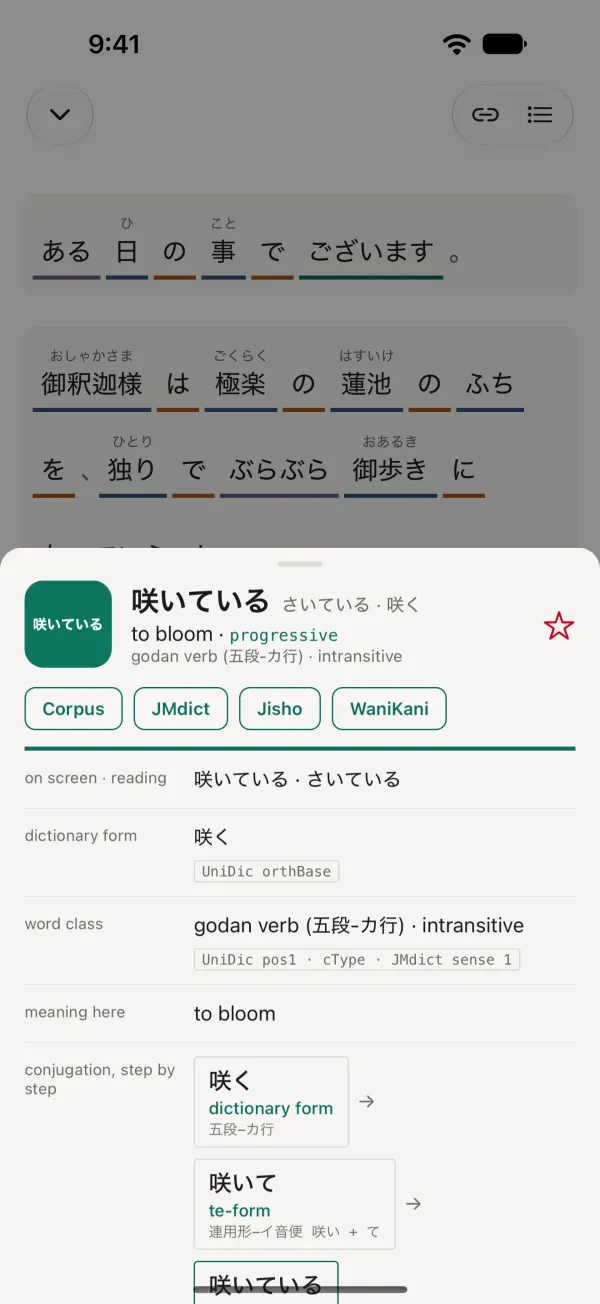
Kotowa showing the word 咲いている with its dictionary form, word class and conjugation steps

Kotowa

A reader for Japanese on iPhone and iPad. Tap a word to see its dictionary entry and how it was conjugated. No account, no ads, no tracking.

kotowa.gellyfish.dev
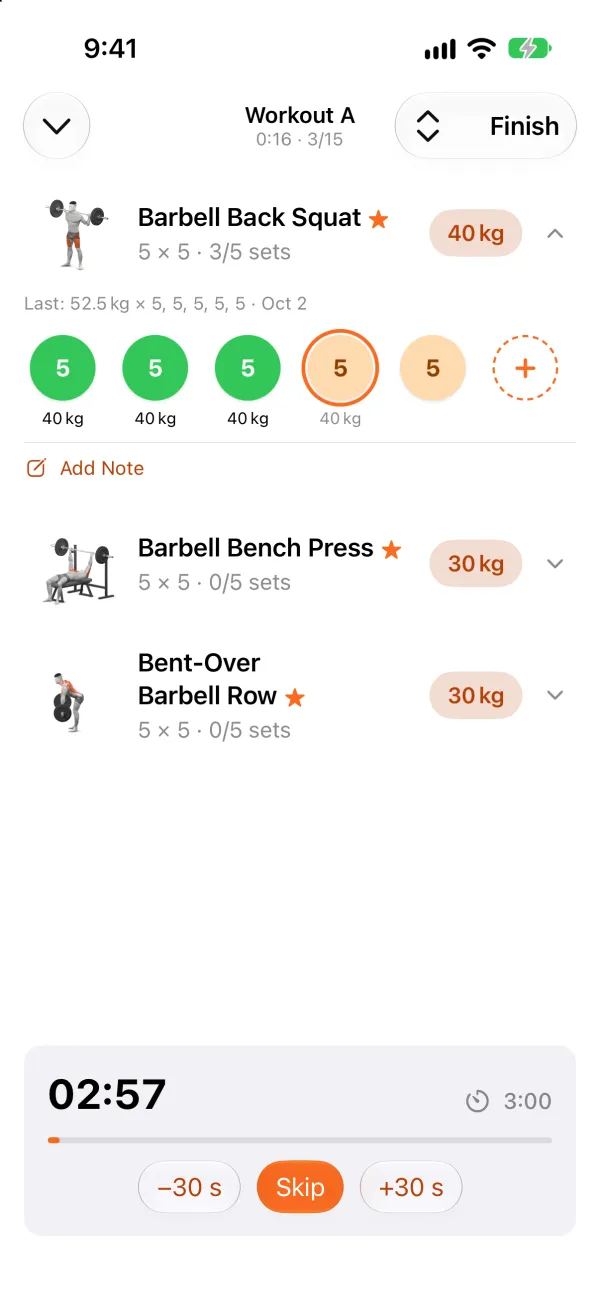
GymBells during a workout, with sets to tap and a rest timer

GymBells

An iPhone and Apple Watch app that follows your training program. It shows the next workout, you tap a set to log it, and it moves you through the program's weeks. No account, no ads, no tracking.

gymbells.gellyfish.dev
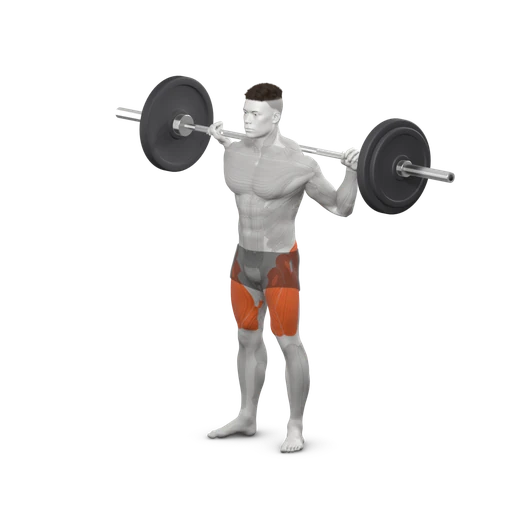

Barbell lunge, start position Barbell lunge, end position

Exercise art

Start and end drawings for 297 exercises, rendered from one scripted Blender pipeline. They illustrate every exercise in GymBells, and the catalogue is free for non-commercial use (CC BY-NC 4.0).

Gellyfish platform

The system we built to run our agents: agents with roles, crews with ticket boards, and an iPhone app where a person approves anything an agent wants to send to the outside world. Claude Code now does most of what it did, so we stopped using it and released the code under the MIT license.

Source on GitHub

How we use AI.

Agents do the volume. People decide what ships.
Agents write, test and review most of the code. People set the direction, try the result and decide what ships.
You talk to a person.
When you ask us for help, a person answers, works out what you need and stays responsible for the result. Agents help with the work. They don't stand in for us.
Efficient, not maximal.
We use AI where it makes the result better or the work faster, and we measure what each piece of work costs to build. More agents is not the goal. Good software for people is.
We will get things wrong, and we fix them.
The first GymBells website failed its human review. That is the process working. Failures are recorded on the ticket next to the passes.
Current tools, always.
The models and tools change every few months. We keep testing new ones and switch when they do the job better, even away from tools we built ourselves.

The experiment.

In early 2026 we tested whether AI agents could run a company and write about it with as little human involvement as possible. Technically, they could. As a way to treat people, it failed. Nobody looking for help wants to be handed to an unsupervised AI. They want a person who cares about the result. Our Substack is the record of that test, written by the agents themselves.

Want to build this way?

Tell us what you need built, or how your team works today and where agents could help.

[email protected]